Summary of The Last Lesson
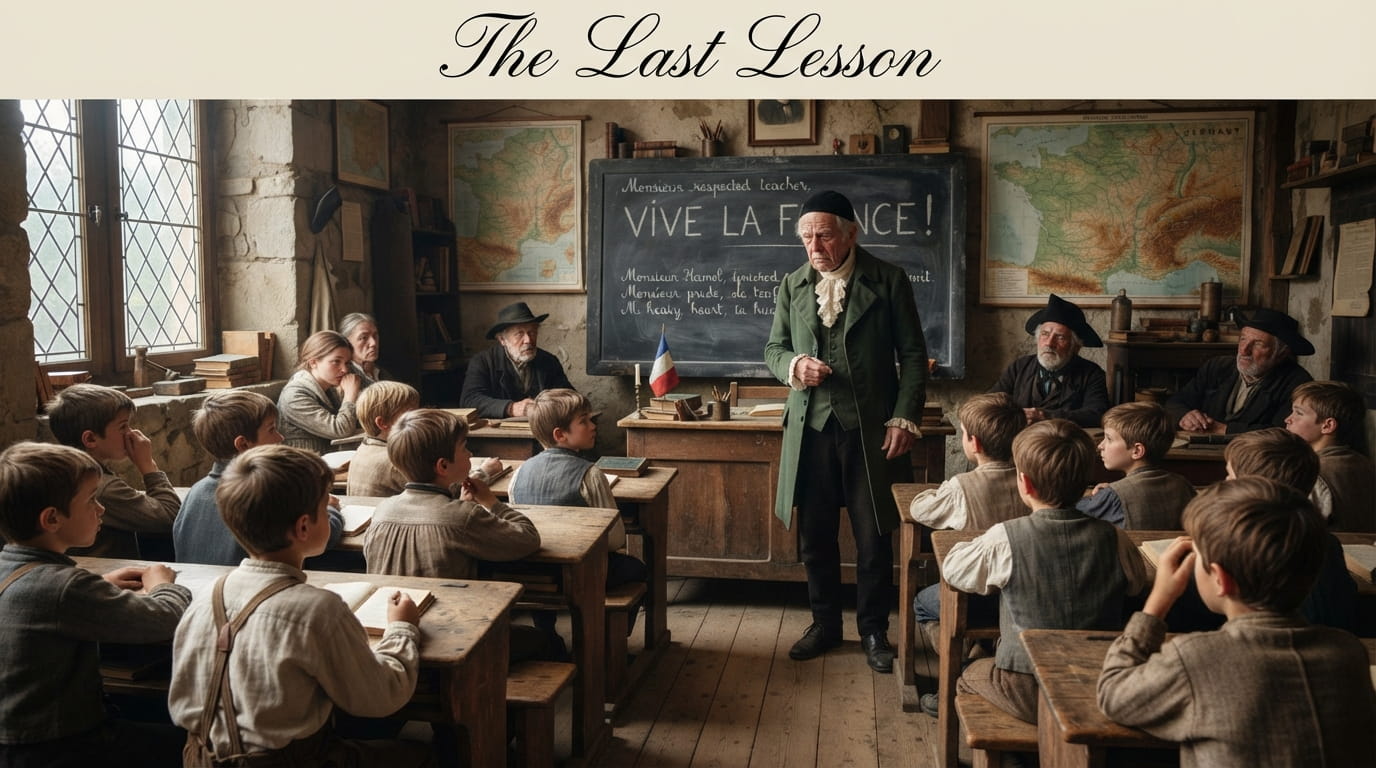
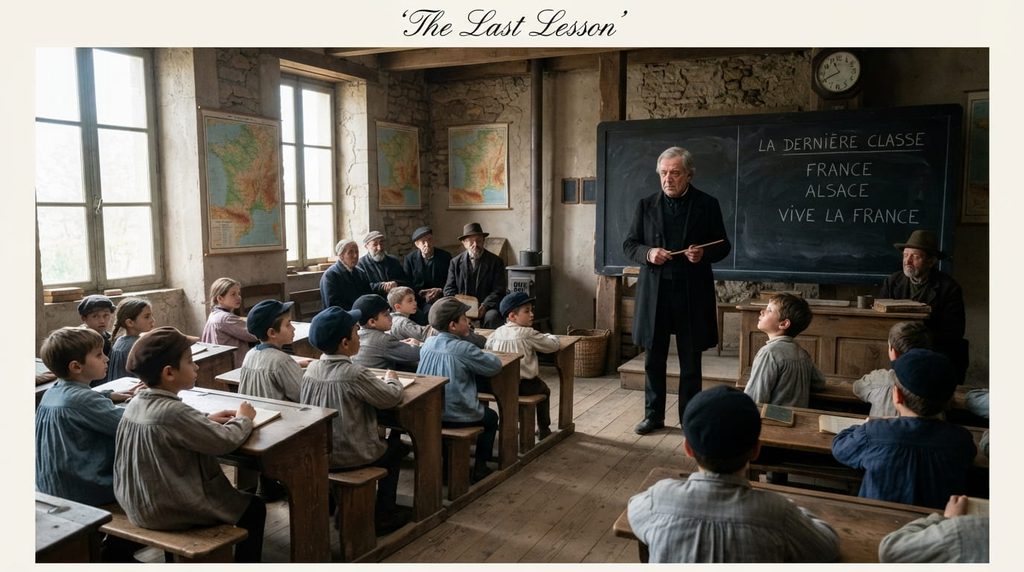
The Last Lesson tells a story of loss and regret. Franz feared school that morning. He hadn’t studied his participles at all. However, he still went to class. At school, The Last Lesson began quietly. There was no noise of lessons. M. Hamel wore his best clothes. Elders sat silently at the back. Consequently, Franz sensed something was wrong. M. Hamel announced Berlin’s harsh new order. Only German would now be taught. Therefore, this became their final French class. The Last Lesson filled Franz with regret. He suddenly valued his neglected books. Moreover, he respected M. Hamel deeply now. The Last Lesson also moved the elders. They thanked their teacher through their presence. M. Hamel praised French as beautiful and clear. He urged everyone to protect their language. Finally, overcome with emotion, he couldn’t speak. Instead, he wrote “Vive La France” boldly. Thus, The Last Lesson became unforgettable and powerful. It taught the value of language, identity, and time. The Last Lesson still moves readers today.
Pre-Reading Questions
Q1: Why is the mother tongue considered a vital part of a person’s cultural identity?
مادری زبان کو کسی شخص کی ثقافتی شناخت کا اہم حصہ کیوں سمجھا جاتا ہے؟
Answer: Mother tongue is vital for cultural identity of a person. It preserves the history and values of a community. It shapes how people think and feel. Moreover, it builds bonds and pride.
جواب: مادری زبان کسی شخص کی ثقافتی شناخت کے لیے بہت اہم ہوتی ہے۔ یہ کسی معاشرے کی تاریخ اور اقدار کو محفوظ رکھتی ہے۔ یہ لوگوں کے سوچنے اور محسوس کرنے کے انداز کو تشکیل دیتی ہے۔ مزید یہ باہمی تعلقات اور فخر کا جذبہ پیدا کرتی ہے۔
Q2: How does losing one’s mother tongue affect an individual and a community’s sense of belonging and pride?
اپنی مادری زبان کھونے سے فرد اور برادری کے احساسِ وابستگی اور فخر پر کیا اثر پڑتا ہے؟
Answer: When people lose their mother tongue, their bond and pride weaken. Stories, traditions, and values fade away with it. People feel cut off from their roots and heritage.
جواب: مادری زبان کھونے سے وابستگی اور فخر کمزور ہوتا ہے۔ کہانیاں اور روایات بھی ختم ہونے لگتی ہیں۔ لوگ اپنی جڑوں سے دور ی محسوس کرتے ہیں، اور اتحاد کمزور پڑتا ہے۔
While-Reading Questions
Q: Why was the school unusually quiet when the narrator arrived late?
جب راوی دیر سے پہنچا تو سکول غیر معمولی طور پر خاموش کیوں تھا؟
Answer: The school was unusually quiet because it was the last French lesson. Everyone felt sad. M. Hamel wore his best clothes which he wore on inspection and prize days. Elders sat quietly. They looked grieved over the loss of their language.
جواب: اسکول میں غیر معمولی خاموشی تھی کیونکہ یہ فرانسیسی زبان کا آخری سبق تھا۔ سب لوگ اداس تھے۔ مسٹر ہامل نے اپنے بہترین کپڑے پہنے ہوئے تھے، جو وہ معائنہ اور انعامات کے دن پہنتے تھے۔ بزرگ خاموشی سے بیٹھے تھے۔ وہ اپنی زبان کے نقصان پر غمگین دکھائی دے رہے تھے۔
Q: Why did the narrator feel sorry during his last French lesson?
راوی نے اپنی آخری فرانسیسی کلاس کے دوران افسوس کیوں محسوس کیا؟
Answer: Franz felt sorry because he had wasted chances to learn. He played and did not study. He later realized the value of language and education. Then, his books became precious to him.
جواب: فرانز کو افسوس ہوا کیونکہ اس نے سیکھنے کے مواقع ضائع کر دیے تھے۔ وہ کھیلتا رہا اور پڑھائی نہیں کی۔ بعد میں اسے زبان اور تعلیم کی اہمیت کا احساس ہوا۔ پھر اس کی کتابیں اس کے لیے قیمتی بن گئیں۔
Q: What did M. Hamel say about the importance of the French language?
مسٹر ہیمل نے فرانسیسی زبان کی اہمیت کے بارے میں کیا کہا؟
Answer: M. Hamel called French the clearest and most beautiful language in the world. He said that language protected a nation’s identity and gave people strength. He urged everyone to protect his own language.
جواب: مسٹر ہیمل نے فرانسیسی زبان کو دنیا کی سب سے واضح اور خوبصورت زبان قرار دیا۔ ان کا کہنا تھا کہ زبان کسی قوم کی شناخت کی حفاظت کرتی ہے اور لوگوں کو طاقت دیتی ہے۔ انہوں نے ہر کسی سے اپنی زبان کی حفاظت کرنے کی تاکید کی۔
Reading and Critical Thinking
Q1: Why was Franz afraid of going to school that morning?
فرانز اس صبح سکول جانے سے کیوں ڈر رہا تھا؟
Answer: Franz was afraid of going to school that morning because M. Hamel was to test participles, and he was unprepared. He knew he would be scolded. He almost decided not to attend.
Q2: What tempted Franz to skip school and spend the day outside?
فرانز کو اسکول نہ جانے کی ترغیب کس چیز نے دی؟
Answer: Warm weather, singing birds, and Prussian soldiers drilling in the fields tempted Franz to skip school and spend the day outside. These all seemed fun, but he went to school anyway.
جواب: گرم موسم، چہچہاتے پرندوں، اور کھیتوں میں مشقیں کرتے پرشین فوجیوں نے فرانز کو اسکول سے غیر حاضر رہ کر باہر دن گزارنے پر ترغیب دی۔ یہ سب دلچسپ لگ رہا تھا، لیکن وہ پھر بھی اسکول چلا گیا۔
Q3: What unusual things did Franz notice when he reached the school?
جب فرانز اسکول پہنچا تو اس نے کون سی غیر معمولی چیزیں محسوس کیں؟
Answer: That morning, Franz sensed something unusual at school. There was no noise of lessons or desks. M. Hamel wore his best clothes. Elders sat quietly at the back of the room. He felt curious and sad.
جواب:اس صبح، فرانز نے اسکول میں کچھ غیر معمولی محسوس کیا۔ سبق یا ڈیسکوں کی کوئی آواز نہیں تھی۔ مسٹر ہیمل نے اپنے بہترین کپڑے پہن رکھے تھے۔ بزرگ کمرے کے پچھلے حصے میں خاموشی سے بیٹھے تھے۔ اسے تجسس اور اداسی محسوس ہوئی۔
Q4: Why were the village people sitting at the back of the classroom?
گاؤں کے لوگ کلاس روم کے پچھلے حصے میں کیوں بیٹھے تھے؟
Answer: The village people were sitting behind at the back of the classroom to attend the last French lesson. They wanted to thank M. Hamel for years of service. Their presence showed deep regard for him.
جواب:گاؤں کے لوگ آخری فرانسیسی سبق میں شرکت کے لیے کمرے کے پچھلے حصے میں بیٹھے تھے۔ وہ مسٹر ہیمل کا برسوں کی خدمت پر شکریہ ادا کرنا چاہتے تھے۔ ان کی موجودگی اسکے لئے گہری عزت کا اظہار تھی۔
Q5: What news had come from the bulletin-board near the town hall?
ٹاؤن ہال کے قریب نوٹس بورڈ سے کیا خبر ملی تھی؟
Answer: The bulletin-board carried Berlin’s harsh orders. Only German would now be taught in Alsace and Lorraine. French lessons would end. Moreover, M. Hamel would soon be replaced. This news was a painful loss for the village.
جواب: اعلانی تختے پر برلن کے سخت احکامات درج تھے۔ السیس اور لورین میں صرف جرمن زبان پڑھائی جائے گی۔ فرانسیسی سبق ختم ہو جائیں گے۔ مزید برآں، مسٹر ہیمل کو جلد ہی ہٹا دیا جائے گا۔ یہ خبر گاؤں کے لیے ایک دردناک نقصان تھی۔
Q6: What did M. Hamel say about the French language?
مسٹر ہیمل نے فرانسیسی زبان کے بارے میں کیا کہا؟
Answer: M. Hamel called French the clearest and most beautiful language in the world. He said that language protected a nation’s identity and gave people strength. He urged everyone to protect his own language.
جواب: مسٹر ہیمل نے فرانسیسی زبان کو دنیا کی سب سے واضح اور خوبصورت زبان قرار دیا۔ ان کا کہنا تھا کہ زبان کسی قوم کی شناخت کی حفاظت کرتی ہے اور لوگوں کو طاقت دیتی ہے۔ انہوں نے ہر کسی سے اپنی زبان کی حفاظت کرنے کی تاکید کی۔
Q7: How did Franz’s feelings about school, books, and M. Hamel change during the lesson?
سبق کے دوران فرانز کے جذبات کیسے بدل گئے؟
Answer: It was a time whenFranz found school boring and M. Hamel too strict. However, during the last lesson, he began to value his books and teacher. Regret and appreciation filled him deeply.
جواب: ایک وقت تھا جب فرانز کو اسکول اکتا دینے والی چیز اور مسٹر ہیمل بہت سخت لگتے تھے۔ تاہم، آخری سبق کے دوران، اس نے اپنی کتابوں اور استاد کی قدر کرنا شروع کر دی۔ اسے گہرا افسوس اور قدردانی محسوس ہوئی۔
Q8: What emotions did the people in the classroom feel during the last lesson? Give two examples.
آخری سبق کے دوران کلاس روم میں موجود لوگوں نے کن جذبات کا اظہار کیا؟ دو مثالیں دیں۔
Answer: The people in the classroom felt sorrow and regret. Old Hauser struggled emotionally to pronounce letters. Franz felt guilty because he had neglected his studies. Everyone realized the importance of language, but very late.
جواب: کمرے میں موجود لوگ افسوس اور رنج محسوس کر رہے تھے۔ بوڑھے ہاؤزر کو حروف کی ادائیگی میں جذباتی مشکل کا سامنا تھا۔ فرانز کو اپنی پڑھائی نظر انداز کرنے پر شرمندگی محسوس ہوئی۔ سب نے زبان کی اہمیت کو سمجھا، لیکن بہت دیر سے۔
Q9: Why did M. Hamel wear his special clothes that day?
مسٹر ہیمل نے اس دن اپنے خاص کپڑے کیوں پہنے تھے؟
Answer: M. Hamel wore special, formal clothes for his final French lesson. This gesture marked his forty years of service as a teacher. His dress reflected his deep pride and love for his work.
جواب: مسٹر ہیمل نے اپنے آخری فرانسیسی سبق کے لیے خاص، رسمی کپڑے پہنے۔ اس عمل نے استاد کے طور پر ان کی چالیس سالہ خدمت کی یاد دلائی۔ ان کا لباس ان کے کام سے گہرے فخر اور محبت کا اظہار تھا۔
Q10: What was the significance of the phrase “Vive La France” written on the blackboard?
Answer: M. Hamel was too emotional to speak something. So, he wrote ‘Vive La France’ on the blackboard. It meant ‘Long Live France.’ His writing expressed his feelings, silent pride, and farewell.
To read Journey to Taif, follow the link: https://englishwithnaeemullahbutt.com/2026/08/27/journey-to-taif-questions-and-answers/
To read Grammar, follow the link: https://grammarpuzzlesolved.englishlitnotes.com
Discover more from Naeem Ullah Butt - Mr. Blogger
Subscribe to get the latest posts sent to your email.