
Unit No. 1: Journey to Taif
(By Sayyid Abul Hasan Ali Hasani Nadwi)
Introduction
Journey to Taif marks one of the most painful yet inspiring events in the life of Prophet Muhammad (PBUH). At that time, he faced intense opposition in Makkah and lost the protection of Khadijah and Abu Talib. Therefore, he travelled to Taif seeking support for his message. However, the city’s leaders rejected him and encouraged people to mock and stone him. As a result, he suffered physical injuries and deep emotional sorrow. Nevertheless, he remained patient and turned to Allah with humility and prayer.
Furthermore, when Angel Jibril offered the possibility of destroying the people of Taif, the Prophet refused. Instead, he expressed hope that their descendants would accept Islam and worship Allah. Thus, Journey to Taif demonstrates extraordinary patience, mercy, faith, forgiveness, and perseverance. Moreover, the event teaches Muslims to remain hopeful during hardship and respond to cruelty with compassion rather than revenge. Ultimately, Journey to Taif remains a powerful lesson in trusting Allah, maintaining steadfastness, forgiving others, and showing courage during difficult times.
Pre-Reading Questions
Q1: Why are patience and forgiveness important in response to unfair treatment?
سوال: ناانصافی کے جواب میں صبر اور معافی کیوں ضروری ہیں؟
Answer: Patience and forgiveness are important in response to unfair treatment because patience stops bitterness and forgiveness removes hatred. Both reflect moral courage and keep mission strong in opposition.
جواب: صبر اور معافی ناانصافی کے برتاؤ کے جواب میں اہم ہیں کیونکہ صبر تلخی کو روکتا ہے اور معافی نفرت کو ختم کرتی ہے۔ دونوں اخلاقی حوصلے کی عکاسی کرتے ہیں اور مخالفت کے دوران مشن کو مضبوط رکھتے ہیں۔
Q2: What do you know about the Journey to Taif, and why is it important?
طائف کے سفر کے بارے میں آپ کیا جانتے ہیں، اور یہ اہم واقعہ کیوں ہے؟
Answer: The Holy Prophet traveled to Taif in 619-620 CE when Makkah had become dangerous for him and his Sahaabah. He wanted to preach Islam in Taif. The tribes of Taif rejected his message and threw stones at him. However, he forgave them completely.
جواب:رسولِ اکرم ﷺ نے 619-620 عیسوی میں طائف کا سفر اس وقت کیا جب مکہ مکرمہ آپ ﷺ اور آپ کے صحابہؓ کے لیے خطرناک ہو گیا تھا۔ آپ ﷺ طائف میں اسلام کی تبلیغ کرنا چاہتے تھے۔ طائف کے قبائل نے آپ ﷺ کے پیغام کو مسترد کر دیا اور آپ ﷺ پر پتھر برسائے۔ تاہم، آپ ﷺ نے انہیں مکمل طور پر معاف کر دیا۔
While-reading Questions/Box Questions
Q1: Why were the people of Taif proud of their city?
سوال 1: طائف کے لوگ اپنے شہر پر کیوں فخر کرتے تھے؟
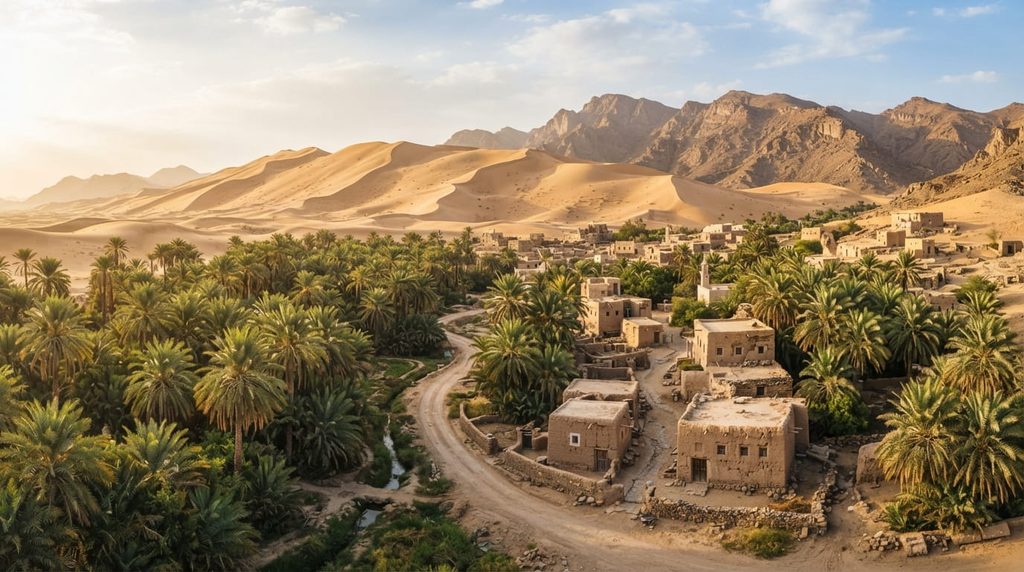
Answer: The people of Taif were proud of their city because of its greenery and cold climate. The reason for their pride was the rarity of these features in Arabia.
جواب: طائف کے لوگ اپنے شہر کےسبزہ اور سرد آب و ہوا کی وجہ سے اس پر فخر کرتے تھے۔ ان کے فخر کی وجہ یہ تھی کہ عرب میں یہ خصوصیات نایاب تھیں۔
Q2: Why did Otba and Shayba scold Addas?
سوال 2: عتبہ اور شیبہ نے عداس کو کیوں ڈانٹا؟
Answer: When Otba and Shayba saw Addas showing regard to the Holy Prophet and kissing his head, hands, and feet, they scolded him. They warned him not to forsake his religion.
جواب: جب عتبہ اور شیبہ نے عداس کو رسولِ اکرم ﷺ کا احترام کرتے اور آپ ﷺ کے سر، ہاتھوں اور پاؤں کو چومتے دیکھا تو انہوں نے اسے ڈانٹا۔ انہوں نے اسے اپنا مذہب نہ چھوڑنے کی تنبیہ کی۔
Reading and Critical Thinking
Q1: Why did Hazrat Muhammad ﷺ travel to Taif?
حضرت محمد ﷺ طائف کیوں تشریف لے گئے؟
Answer: The Holy Prophet traveled to Taif in 619-620 CE when Makkah had become dangerous for him and his Sahaabah. He wanted to preach Islam in Taif. The tribes of Taif rejected his message and threw stones at him. However, he forgave them completely.
جواب:رسولِ اکرم ﷺ نے 619-620 عیسوی میں طائف کا سفر اس وقت کیا جب مکہ مکرمہ آپ ﷺ اور آپ کے صحابہؓ کے لیے خطرناک ہو گیا تھا۔ آپ ﷺ طائف میں اسلام کی تبلیغ کرنا چاہتے تھے۔ طائف کے قبائل نے آپ ﷺ کے پیغام کو مسترد کر دیا اور آپ ﷺ پر پتھر برسائے۔ تاہم، آپ ﷺ نے انہیں مکمل طور پر معاف کر دیا۔
Q2: How did the chiefs of Taif respond to the message of Islam?
طائف کے سرداروں نے اسلام کے پیغام پر کس طرح ردِعمل ظاہر کیا؟
Answer: The three chiefs mocked and rejected Islam’s message. One insulted prophethood. Another asked why Allah chose a humble man. However, the third stayed silent. This silence showed his pride and disbelief.
جواب:تینوں سرداروں نے اسلام کے پیغام کا مذاق اڑایا اور اسے مسترد کر دیا۔ ایک نے نبوت کی توہین کی۔ دوسرے نے سوال کیا کہ اللہ تعالیٰ نے ایک عاجز انسان کو کیوں منتخب کیا۔ تاہم تیسرا خاموش رہا۔ اس کی خاموشی اس کے تکبر اور کفر کو ظاہر کرتی تھی۔
Q3: What did Hazrat Muhammad ﷺ ask the chiefs at the end of his meeting with them?
حضرت محمد ﷺ نے ملاقات کے اختتام پر سردارانِ طائف سے کیا درخواست کی؟
Answer: When his meeting with them ended,Hazrat Muhammad ﷺ asked the chiefs not to tell people about his rejection. He wanted to avoid hostility. He showed no anger, and left with patience and dignity.
جواب: اجب ان سے آپ ﷺ کی ملاقات ختم ہوئی تو حضرت محمد ﷺ نے سرداروں سے درخواست کی کہ وہ لوگوں کو آپ ﷺ کے پیغام کو مسترد کرنے کے بارے میں نہ بتائیں۔ آپ ﷺ دشمنی سے بچنا چاہتے تھے۔ آپ ﷺ نے غصے کا کوئی اظہار نہیں کیا اور صبر و وقار کے ساتھ وہاں سے روانہ ہو گئے۔
Q4: How did the people of Taif treat Hazrat Muhammad ﷺ when he preached to the public?
سوال 4: جب حضرت محمد ﷺ نے لوگوں کے سامنے تبلیغ کی تو طائف کے لوگوں نے آپ ﷺ کے ساتھ کیسا سلوک کیا؟
Answer: Taif’s people treated him very cruelly. The chiefs sent slaves and children to attack him with stones. Blood flowed to his shoes. He was injured and could barely walk.
جواب:طائف کے لوگوں نے آپ ﷺ کے ساتھ بہت ظالمانہ سلوک کیا۔ سرداروں نے غلاموں اور بچوں کو آپ ﷺ پر پتھر برسانے کے لیے بھیجا۔ آپ ﷺ کے جوتے خون سے بھر گئے۔ آپ ﷺ زخمی ہو گئے اور مشکل سے چل سکتے تھے۔
Q5: Who was Addaas, and what was his response to his meeting with Hazrat Muhammad ﷺ?
سوال 5: عداس کون تھا، اور حضرت محمد ﷺ سے ملاقات پر اس کا کیا ردِعمل تھا؟
Answer: Addaas was a Christian slave who brought grapes for the Prophet ﷺ. He heard ‘Bismillah’ and felt amazed. He sensed prophethood and kissed his head, hands, and feet.
جواب:عداس ایک عیسائی غلام تھا جو نبی کریم ﷺ کے لیے انگور لے کر آیا۔ اس نے جب “بسم اللہ” سنا تو وہ حیران ہوا۔ اسے نبوت کی پہچان محسوس ہوئی، چنانچہ اس نے آپ ﷺ کے سر، ہاتھوں اور پاؤں کو چوما۔
Q6: What happened to Hazrat Muhammad ﷺ when he was severely injured during his preaching?
سوال 6: جب حضرت محمد ﷺ تبلیغ کے دوران شدید زخمی ہوئے تو آپ ﷺ کے ساتھ کیا ہوا؟
Answer: When the Holy Prophet was severely injured during his preaching, he became unconscious. Zayd bin Haritha carried him on his back and took him out of the city. He sprinkled water on his face and brought him back to consciousness.
جواب: جب حضور اکرم ﷺ تبلیغِ دین کے دوران شدید زخمی ہوئے تو آپ ﷺ بے ہوش ہوگئے۔ زید بن حارثہؓ نے آپ ﷺ کو اپنی پیٹھ پر اٹھایا اور شہر سے باہر لے گئے۔ انہوں نے آپ ﷺ کے چہرۂ مبارک پر پانی کے چھینٹے ڈالے اور آپ ﷺ کو ہوش میں لائے۔
Q7: What does the supplication (dua) of Hazrat Muhammad ﷺ reveal about his character and faith?
حضرت محمد ﷺ کی دعا ان کے کردار اور ایمان کے بارے میں کیا ظاہر کرتی ہے؟
Answer: The Prophet’s ﷺ dua shows humility before Allah. He trusted in Allah’s mercy and power. He sought His pleasure, not revenge. It reflects patience, strength, and sincere faith.
جواب: نبی کریم ﷺ کی دعا اللہ تعالیٰ کے سامنے عاجزی کو ظاہر کرتی ہے۔ آپ ﷺ نے اللہ تعالیٰ کی رحمت اور قدرت پر بھروسا کیا۔ آپ ﷺ نے انتقام کے بجائے اللہ تعالیٰ کی رضا طلب کی۔ یہ دعا صبر، قوت اور سچے ایمان کی عکاسی کرتی ہے۔
Q8: Why did Hazrat Muhammad ﷺ refuse to curse the people of Taif despite their cruel behaviour?
سوال 8: حضرت محمد ﷺ نے طائف کے لوگوں کے ظالمانہ سلوک کے باوجود انہیں بددعا دینے سے انکار کیوں کیا؟
Answer: He refused to curse Taif’s people. He hoped their descendants would accept Islam and worship Allah alone. His mercy reached those who hurt him. It reflected prophetic character.
جواب: آپ ﷺ نے طائف کے لوگوں کو بددعا دینے سے انکار کر دیا۔ آپ ﷺ کو امید تھی کہ ان کی اولاد اسلام قبول کرے گی اور صرف اللہ تعالیٰ کی عبادت کرے گی۔ آپ ﷺ کی رحمت ان لوگوں تک بھی پہنچتی تھی جنہوں نے آپ ﷺ کو تکلیف پہنچائی۔ یہ آپ ﷺ کے اعلیٰ اخلاق کی عکاسی کرتا ہے۔
Summary of Daffodils by William Wordsworth for Class 9: https://englishwithnaeemullahbutt.com/2025/04/21/daffodils-by-william-wordsworth/
To read notes on English Literature, follow the link: https://englishlitnotes.com
Discover more from Naeem Ullah Butt - Mr. Blogger
Subscribe to get the latest posts sent to your email.